
Types of cars: body styles, classes and drivetrains
There is no single official list of car types. Cars are sorted three ways at once: by the shape of the body, by size or market segment, and by purpose or powertrain, and most cars sit in more than one group[1].
8 articles in this section
Supercar vs hypercar: what the words really mean
Neither supercar nor hypercar has an official definition. How the terms are used, where they came from, and the cited power of famous examples.
What is a sports car? Seats, weight and layout
What makes a sports car: handling first, two seats or a 2+2, low weight and rear drive. The MX-5 record, Lotus's lightness motto and engine layouts.

What is a muscle car? From the GTO to the Mustang
What counts as a muscle car, why the 1964 Pontiac GTO is named as the start, how pony cars differ, why the era ended, and where the revival stands now.
FWD vs RWD vs AWD vs 4WD: how each drivetrain behaves
Front, rear, all-wheel and four-wheel drive compared: traction, understeer and oversteer, part-time and full-time systems, low range and engine position.
What is an SUV? Crossovers, SUVs and true off-roaders
What makes an SUV, a crossover or a real 4x4: body-on-frame vs monocoque, ground clearance, approach and departure angles, low range and locking diffs.
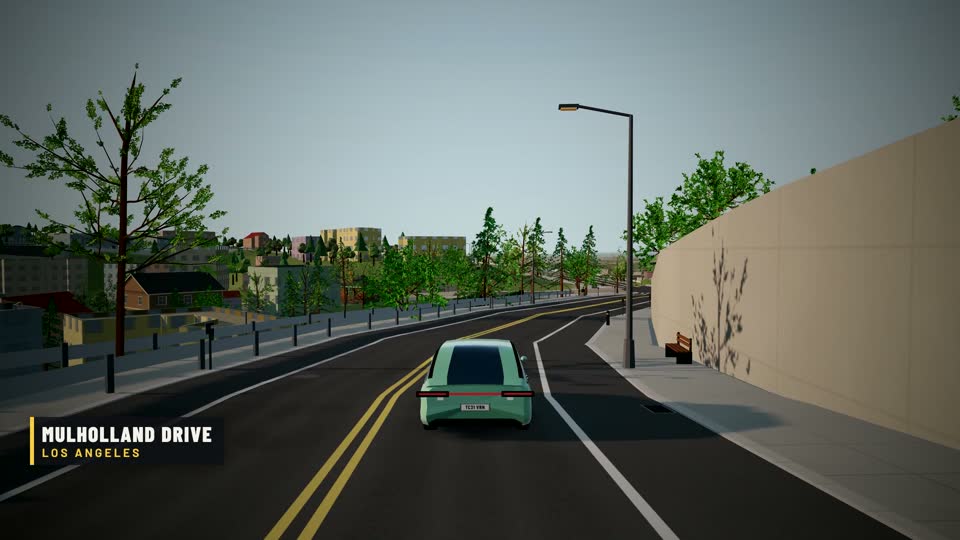
Driving an electric car: torque, regen and charging
How an electric car drives differently: instant torque, a single gear, regenerative braking and one-pedal driving, extra weight, and charging levels.
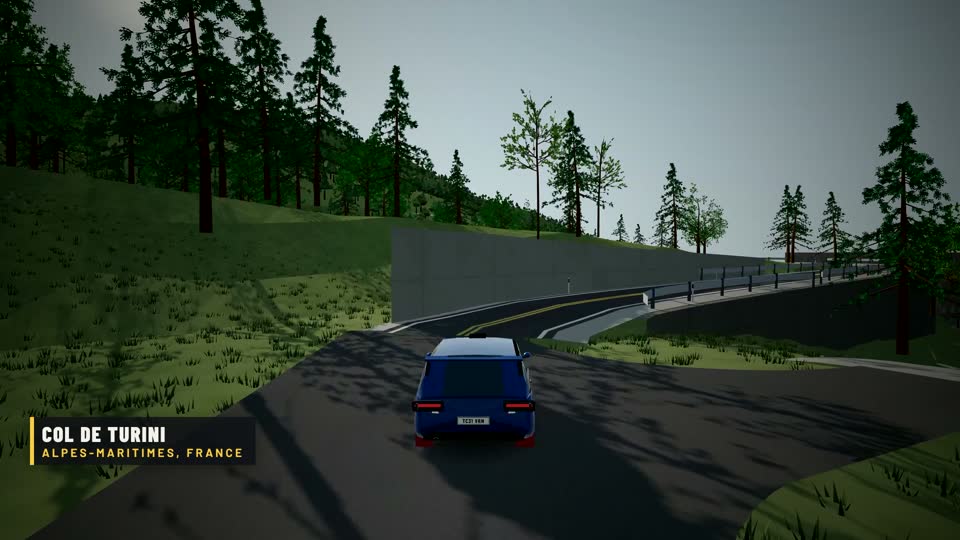
Types of race cars: Formula 1, GT3, Rally1 and more
The main types of race cars, from Formula 1 and GT3 to Le Mans Hypercars, stock cars, Rally1, Top Fuel dragsters and karts, and who writes their rules.

Auto rickshaws: history, CNG and the e-rickshaw boom
What an auto rickshaw is, where it came from (Japan, the Piaggio Ape, Bajaj), why Delhi's autos run on CNG, the e-rickshaw boom and Thailand's tuk-tuks.
Three ways to sort a car
Governments, safety bodies and car makers each use their own schemes, so there is no global standard for car classes[1]. In practice, three questions cover almost every label you will meet:
- Body style: what shape is it? Saloon, hatchback, estate, coupé, convertible, SUV, pickup.
- Size or segment: how big is it? Europe uses market segments A to F, plus J for SUVs, M for people carriers and S for sports cars; the US Environmental Protection Agency sorts cars by interior passenger and luggage volume[1].
- Purpose and powertrain: what is it for, and what drives it? Sports car, muscle car, off-roader, race car; petrol, diesel, hybrid or electric; front, rear or all-wheel drive.
A Porsche 911 is a coupé (body), a sports car (purpose) and a rear-engined, rear-drive car (layout) all at once[3]. Body style and segment are separate ideas: a hatchback can be a city car or a family car[1].
The main body styles
| Style | What defines it |
|---|---|
| Saloon (sedan) | Fixed roof, separate compartments for engine, passengers and luggage |
| Hatchback | A rear door hinged at the roof that lifts up |
| Estate (station wagon) | Roofline carried back over a large load area with a tailgate |
| Coupé | Two doors, usually up to four seats |
| Convertible and roadster | A roof that folds or comes off; a roadster is an open two-seater with a sporting bent |
| SUV and crossover | Raised ride height; a crossover uses a car's unibody platform |
| MPV (people carrier) | Two or three rows of reconfigurable seats |
| Pickup | A light truck with an open load bed |
Definitions follow Wikipedia's summary of body styles[2].
Performance cars
Three overlapping families are built around speed and driving feel. A sports car puts handling first and is usually a light two-seater or 2+2. A supercar or hypercar adds exotic power, price and rarity, and neither word has an official definition. A muscle car is the American answer: a big V8 in a mid-size two-door, built for straight-line pace and sold in the 1960s and early 1970s before a modern revival.
Utility and off-road
The SUV became the world's biggest market segment in 2015 and was close to half of new passenger car sales by 2021, on IEA data[4]. Under that one label sit very different machines: car-based crossovers, family SUVs and body-on-frame or rugged monocoque 4x4s with low-range gears and locking differentials. SUVs, crossovers and off-roaders explains the difference and the numbers that matter off the tarmac.
What drives the wheels
Where the engine sits and which wheels it drives changes how a car behaves more than its body does. Front-wheel drive has been the most common layout since the late 20th century; rear-wheel drive was the traditional layout for most of it; mid-engined cars are mostly sports and racing machines[3]. FWD vs RWD vs AWD vs 4WD covers how each one grips, pushes wide or steps out. Driving an electric car covers the other big change: one gear, instant torque, regenerative braking and charging.
Built for racing and for work
At the extremes are cars built to a rulebook and cars built to earn a living. Types of race cars runs from Formula 1 and GT3 to Le Mans Hypercars, Rally1, NASCAR stock cars, Top Fuel dragsters and karts, and who writes their rules. Auto rickshaws covers the three-wheeled taxi of South and Southeast Asia, from the Piaggio Ape and Bajaj to Delhi's switch to gas and the e-rickshaw boom.
Sources
- Car classification, Wikipedia
- Car body style, Wikipedia
- Car layout, Wikipedia
- Sport utility vehicle, Wikipedia