
Great drives of the world: passes, coasts, deserts and motorways
A great drive is a road where the route itself is the reason to go: a pass with dozens of hairpins, a coast road cut into cliffs, a desert highway with nothing for hours, or a motorway with no posted limit. This section covers each kind, with real examples, the facts behind them and the rules that keep you safe on them.
8 articles in this section
Driving mountain roads: the great passes and how to drive them
How to drive mountain roads safely, from engine braking to who gives way, plus the passes worth knowing: Stelvio, Transfăgărășan, Col de Turini and more.
Famous coastal roads: from the Great Ocean Road to Big Sur
Famous coast roads and the facts behind them: the Great Ocean Road, Big Sur and Bixby Bridge, Chapman's Peak, the Atlantic Ocean Road and Sea-to-Sky.
Desert driving tips: water, tyres, sand and staying found
Desert driving tips from park services and motoring clubs: water, telling someone your route, sand tyre pressures, convoys and what to do in a breakdown.
Touge: what it means, where it came from and the roads behind it
What touge means, how Japan's mountain pass culture grew, why racing on these public roads is illegal, and the real roads: Irohazaka, Haruna and Hakone.

Countries that drive on the left: the full list and how to adapt
Which countries drive on the left, region by region, why they do, the countries that switched sides, and what to sort out before driving abroad.
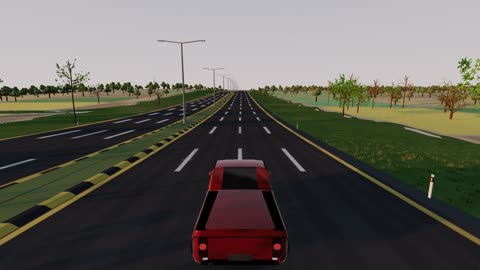
The Autobahn speed limit: where it is unlimited and the rules that apply
Does the Autobahn have a speed limit? The 130 km/h advisory speed, how much is unrestricted, limits for lorries and trailers, and the overtaking rules.
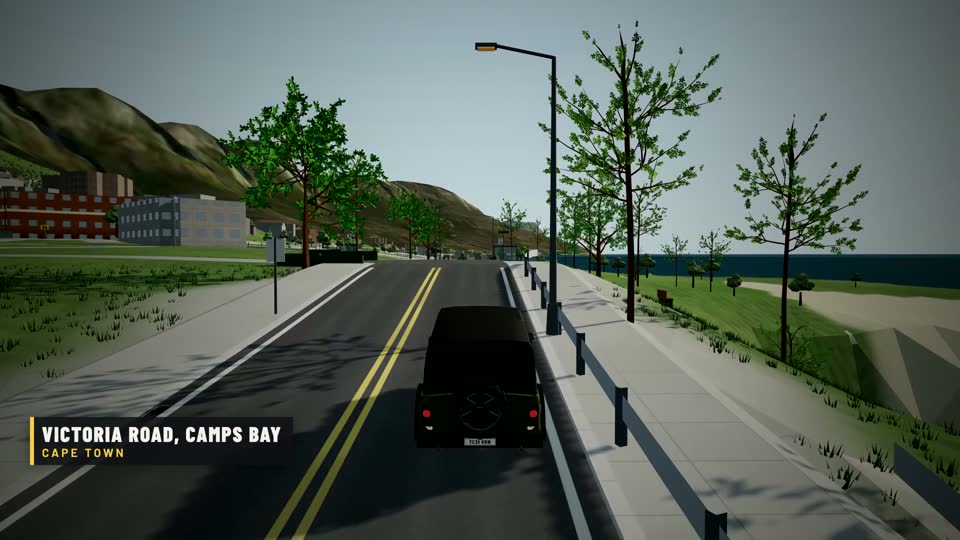
Off-road driving tips: preparation, technique and where it is legal
Off-road driving tips for beginners: go with another vehicle, stay on legal routes, set tyre pressures for sand, read obstacles, carry recovery gear.
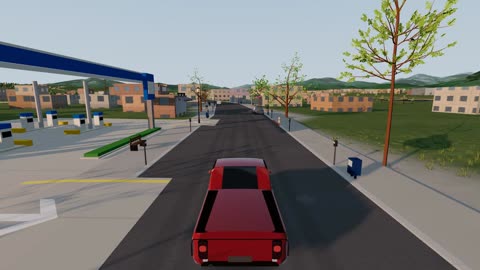
Road trip planning: the route, the breaks, the car and the checks
How to plan a road trip: the route and stops, breaks every two hours, car checks before you leave, closures, offline maps, remote areas and borders.
Mountain passes
Mountain passes are the classic driving roads. The Stelvio Pass in Italy tops out at 2,757 metres, and its northern side climbs through 48 tight hairpins, with 34 wider ones on the southern side towards Bormio[1]. Passes like this often open only in summer: the Stelvio is open from May to November[1]. Smaller roads can be just as memorable. The road down to Sa Calobra on Mallorca, opened in 1933, includes a 270-degree spiral bridge known as the tie knot[2].
The mountain passes guide covers the great passes and how to drive them, including who gives way on a narrow climb. Japan's mountain roads have their own culture, covered in touge.
Coast roads
Coast roads trade altitude for the sea. Australia's Great Ocean Road runs for 240 kilometres between Torquay and Allansford. It was built by returned soldiers between 1919 and 1932 and is dedicated to those killed in the First World War, which makes it the world's largest war memorial[3]. The famous coastal roads guide adds Big Sur, Chapman's Peak, the Atlantic Ocean Road in Norway, the Amalfi Coast and the North Coast 500.
Deserts and the back country
Desert roads ask more of the driver and the car than they look. Summer temperatures in Death Valley can reach 54 °C, there is little or no mobile signal, and the park service advises leaving your itinerary with an emergency contact[4]. Read desert driving tips before a trip like that, and off-road driving tips before leaving the tarmac.
Back-country loops sit between the two. The Mae Hong Son Loop in northern Thailand is a circuit of about 600 kilometres from Chiang Mai, and its Mae Hong Son to Pai section is reputed to have more than 1,864 curves[5].
Motorways and the rules of the road
Some great drives are about rules more than scenery. On much of Germany's Autobahn there is no general limit for cars, only an advisory speed of 130 km/h that applies in the best conditions[6]. The Autobahn speed limit guide explains where the limits are and the lane rules that come with them.
Crossing a border can also mean changing sides of the road. About a third of the world's people live in countries that drive on the left[7]; the list is in countries that drive on the left.
Planning and driving them safely
The best drives are often remote, high or seasonal, so planning matters. Check whether the road is open, plan fuel and overnight stops, and build in rest. The UK Highway Code recommends a break of at least 15 minutes after every two hours of driving and advises against long drives between midnight and 6 am[8]. The road trip planning guide turns this into a checklist.
Many of the roads in this section can also be driven in Drive Your City, rebuilt from open map data. The famous roads hub lists them, from the Stelvio Pass to the Great Ocean Road.
Sources
- Stelvio Pass, Wikipedia
- Sa Calobra, Wikipedia
- Great Ocean Road, Wikipedia
- Safety: Death Valley National Park, US National Park Service
- Mae Hong Son Loop, Wikivoyage
- Richtgeschwindigkeit: Wann sie gilt und was sie bedeutet, ADAC
- Left- and right-hand traffic, Wikipedia
- The Highway Code: rules for drivers and motorcyclists (89 to 102), Highway Code (GOV.UK)