
Driving tips and techniques: car control, conditions and road craft
Good driving rests on a few ideas: a tyre has a limited amount of grip, every input moves load around the car, and weather, darkness and speed change how much margin you have. This section explains those ideas first, then turns them into habits for rain, night, snow and fast roads, with every road rule taken from an official source.
11 articles in this section
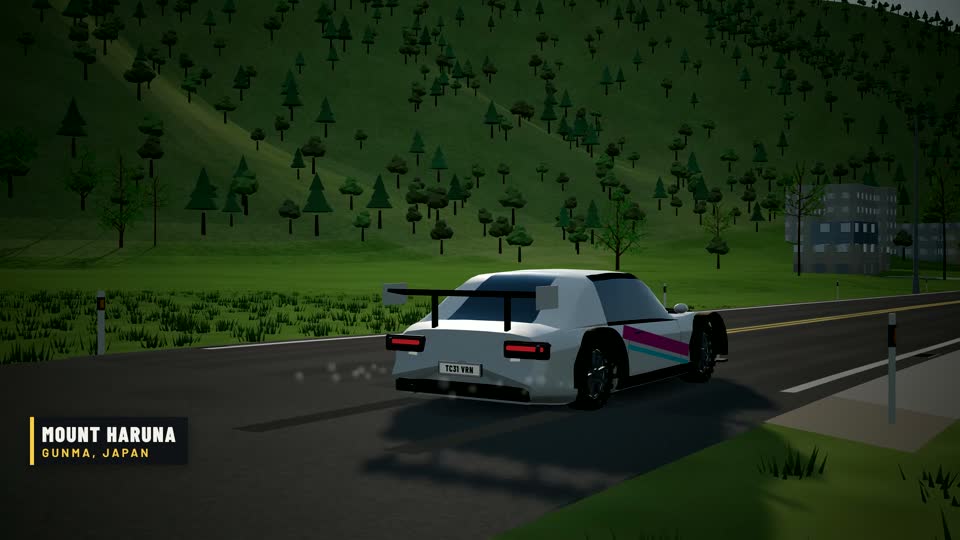
Weight transfer: how braking, accelerating and cornering move load
What weight transfer is, why braking loads the front tyres and cornering loads the outside ones, with a worked example and what it means for grip.
Understeer vs oversteer: causes, feel and fixes
Understeer is when the front tyres slide and the car runs wide; oversteer is when the rear slides. Causes, how each feels and how to correct it.
Braking technique: stopping distances, ABS, engine braking and trail braking
How to brake well: stopping distances by speed, threshold braking, what ABS does and does not do, engine braking downhill, and trail braking on track.
Steering technique: hand position, push-pull and looking ahead
Where to hold the wheel and why 10 and 2 gave way to 9 and 3, push-pull vs hand-over-hand steering, smooth inputs, and looking where you want to go.
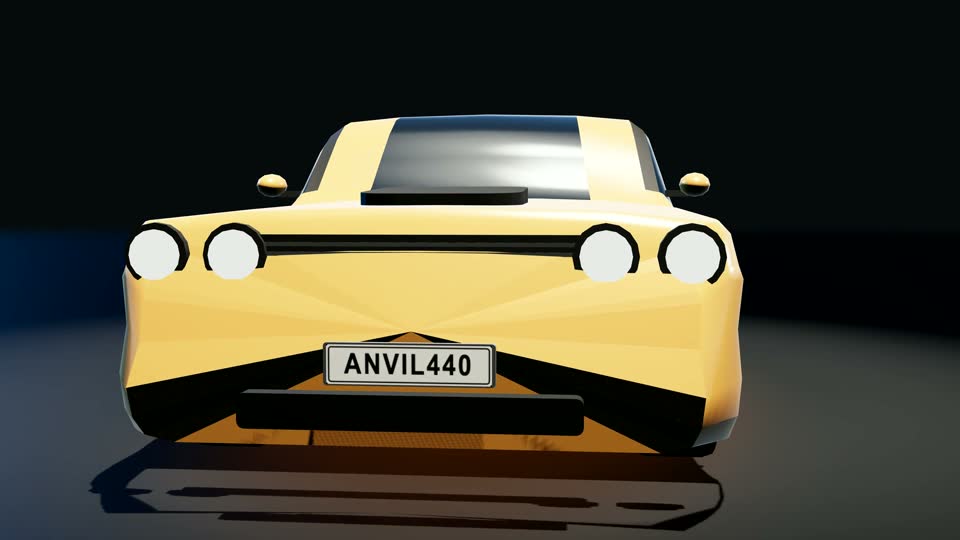
Manual vs automatic: how each gearbox works and which to learn in
Manual, torque-converter automatic, dual-clutch, CVT and single-speed electric drives compared, plus how UK licences treat an automatic-only pass.
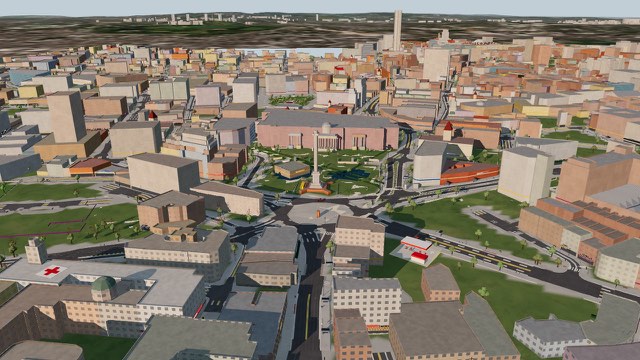
Driving in the rain: grip, aquaplaning, lights and following distance
Driving in rain: why stopping distances double, how to avoid and handle aquaplaning, when headlights and fog lights are required, and tyre tread rules.
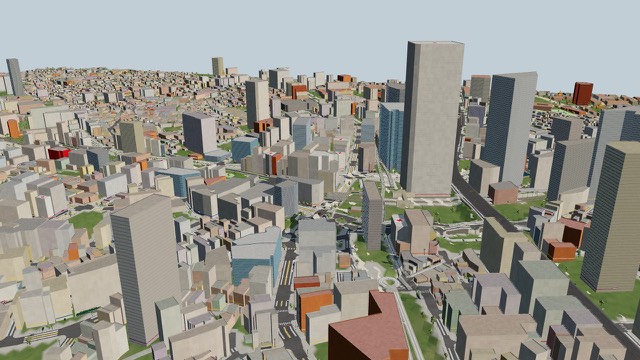
Night driving: headlights, glare, eyesight and tiredness
Night driving tips: UK headlight rules, when to dip main beam, how to handle glare, not out-driving your headlights, eyesight checks and fatigue breaks.
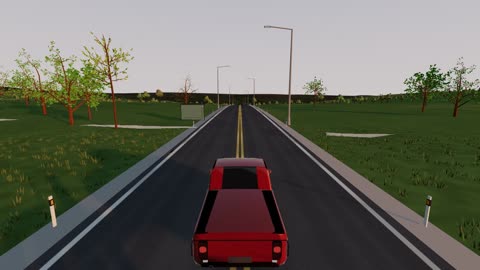
Driving in snow and ice: preparation, grip and stopping distances
Driving in snow and ice: whether to go, clearing the car, stopping distances up to ten times longer, gentle inputs, hills, winter tyres and getting stuck.

Defensive driving: space, observation and planning ahead
Defensive driving explained: looking far ahead, keeping a space cushion, two- and three-second gaps by country, distraction, tailgaters and IPSGA.
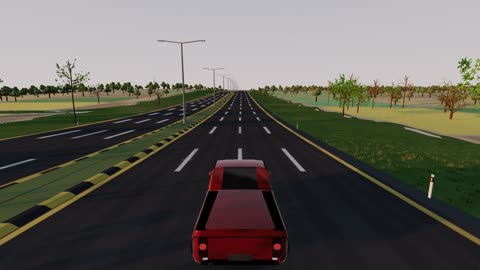
Motorway driving: joining, lane discipline, overtaking and breakdowns
Motorway driving tips: joining from the slip road, lane discipline, overtaking rules, red X signals, two-second gaps, breakdowns and emergency corridors.
Driving tips for beginners: from first lesson to first year alone
Driving tips for beginners: setting up the car, learner practice rules, the basic routines, speed and space, phones and drink, and the risky first year.
How this section is organised
The articles fall into four groups. Read them in order if you are new, or jump straight to the one you need.
Car control: the physics
- Weight transfer: why braking, accelerating and cornering move load between the tyres, with a worked example.
- Understeer vs oversteer: what it means when the front or the rear runs out of grip first, and how each is corrected.
- Braking technique: stopping distances, threshold braking, what ABS does and does not do, engine braking, and trail braking as a track technique.
Technique
- Steering technique: hand positions and airbags, push-pull and hand-over-hand, and looking where you want to go.
- Manual vs automatic: manual, torque-converter, dual-clutch, CVT and single-speed electric drives, and how licences treat them.
Conditions
- Rain, night driving and snow and ice: what changes, what the rules say, and what to do when grip or sight runs short.
Road craft
- Defensive driving, motorway driving and tips for beginners: space, observation, lane discipline and the first year after a test.
Real roads follow your country's rules
Real-road advice in these articles follows official sources: the UK Highway Code and THINK! on GOV.UK, National Highways, US federal and state bodies such as NHTSA and state DMV handbooks, and road-safety organisations such as RoSPA and AAA. Where countries differ, the article says so and names the country. The UK, for example, asks for at least a two-second gap on fast roads[1], while New York's manual also teaches two seconds and California's teaches three[2][3].
The Highway Code uses MUST for legal requirements and "should" for advice that can still be used as evidence in court[4]. If you drive somewhere else, its own highway code or handbook is the authority, and a qualified instructor is the right person to teach you. These pages explain ideas; they are not a driving course.
Where the physics comes from
The car-control articles draw on vehicle-dynamics definitions (such as the SAE understeer gradient), encyclopaedia entries and motorsport coaching sources such as Driver61. Some techniques described there, including trail braking and deliberate oversteer, are track techniques. They are explained so you understand what racing drivers do, and they belong on a closed circuit with tuition, never on a public road.
The road-craft articles lean on the same systematic approach that UK police drivers learn from Roadcraft, which IAM RoadSmart and RoSPA also base their advanced training on[5].
Practising the ideas in the game
Each article ends with a short section on Drive Your City, a free browser driving game on real streets. It is a place to try car-control ideas without consequences: compare a front-drive and a rear-drive car on the same corner, set the stability assists from Full to Off, or switch on rain or night. It does not teach you to drive, it has an automatic gearbox only, and it has no snow or ice. Those notes are kept apart from the real-road advice so the two never blur.
Sources
- The Highway Code: general rules, techniques and advice for all drivers and riders (103 to 158), Highway Code (GOV.UK)
- New York State Driver's Manual, Chapter 8: defensive driving, New York State DMV
- California Driver's Handbook: Section 8, safe driving, California DMV
- The Highway Code: introduction and the hierarchy of road users, Highway Code (GOV.UK)
- Roadcraft, Wikipedia